History of Uechi Ryu
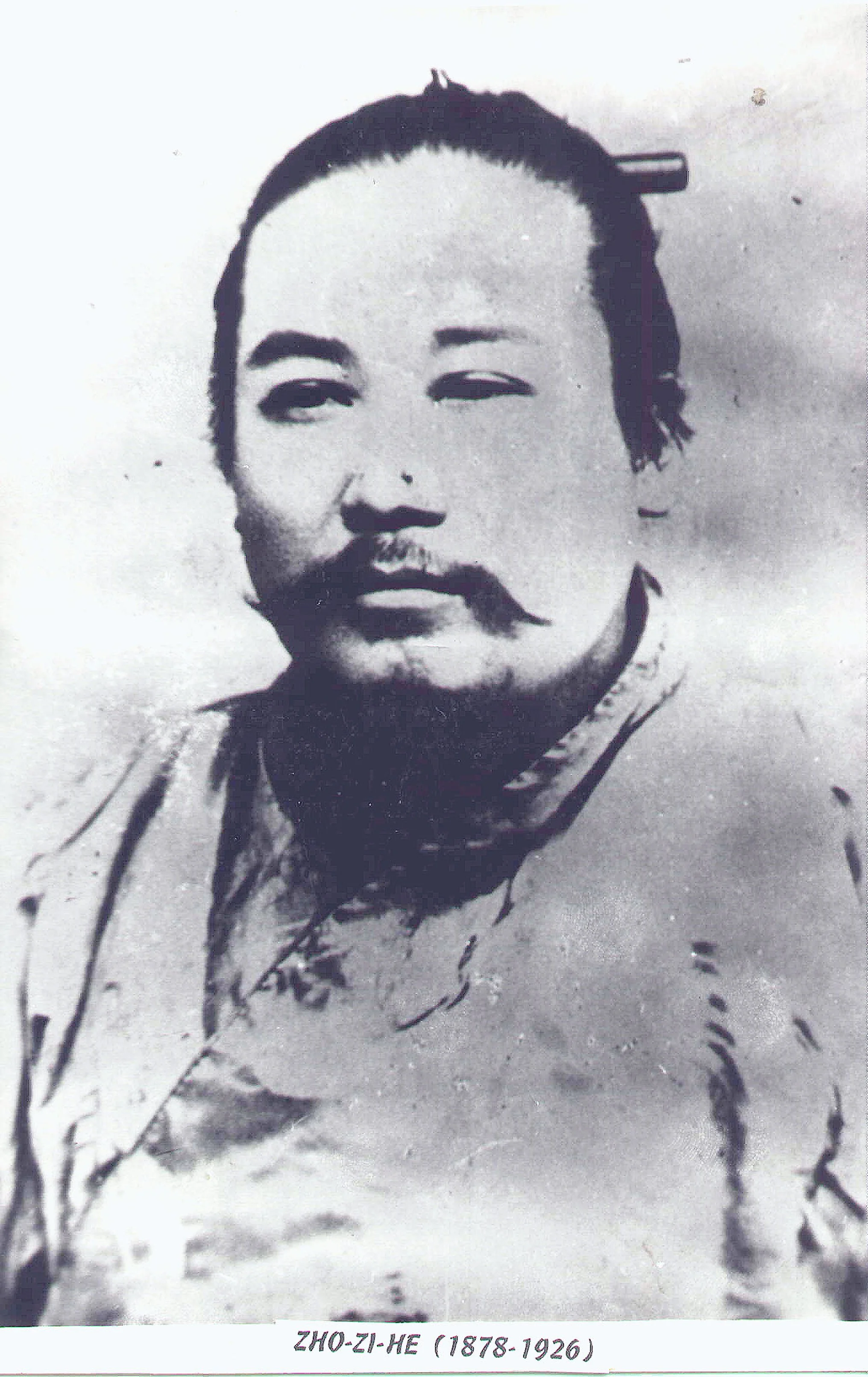
EXILE
Kanbun Uechi, the founder of Uechi Ryu Karate, was born in Izumi, Okinawa in 1877, two years before Okinawa became a recognized prefecture of Japan. In 1897, the government in Japan began military conscription on the island, and a 19 year old Kanbun Uechi travelled to Fujian, China to avoid being conscripted.
In China, Kanbun Uechi studied kung fu for ten years: first Huzun Quan under Zheng Xianje and later Pangainoon under Zhou Zi He, called Shushiwa in Japanese. In 1904 Uechi received his teaching certificate from Shushiwa in Pangainoon, and he opened his own school in 1906. He taught at his school for three years.
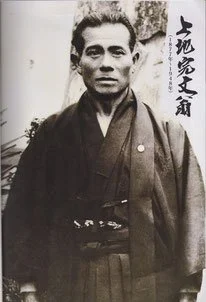
OATH
In 1909, one of Kanbun Uechi’s students killed a neighbor in a land dispute, and Uechi swore to never teach martial arts again. He moved back to Okinawa to farm, and married Gozei Toyama. They had their first of four children, Kanei Uechi, in 1911. Uechi continued to keep his training a secret, until a former student of his from China found him in Okinawa and urged him to begin teaching again. He refused, so his student hatched a plan…
At the local police department’s annual martial arts demonstration, Kanbun Uechi’s former student and some of the other local karate masters asked the mayor to make a special request for Uechi to demonstrate his karate, since it would be impolite to refuse. When the mayor asked, Uechi complied, and performed an incredibly fast Seisan kata. The other karate masters were so awed by his performance that they refused to perform afterwards, and the martial arts demonstration ended early.
After this, the pressure to teach grew and the economic situation in Okinawa worsened. Uechi found himself with no choice but to flee Okinawa a second time.
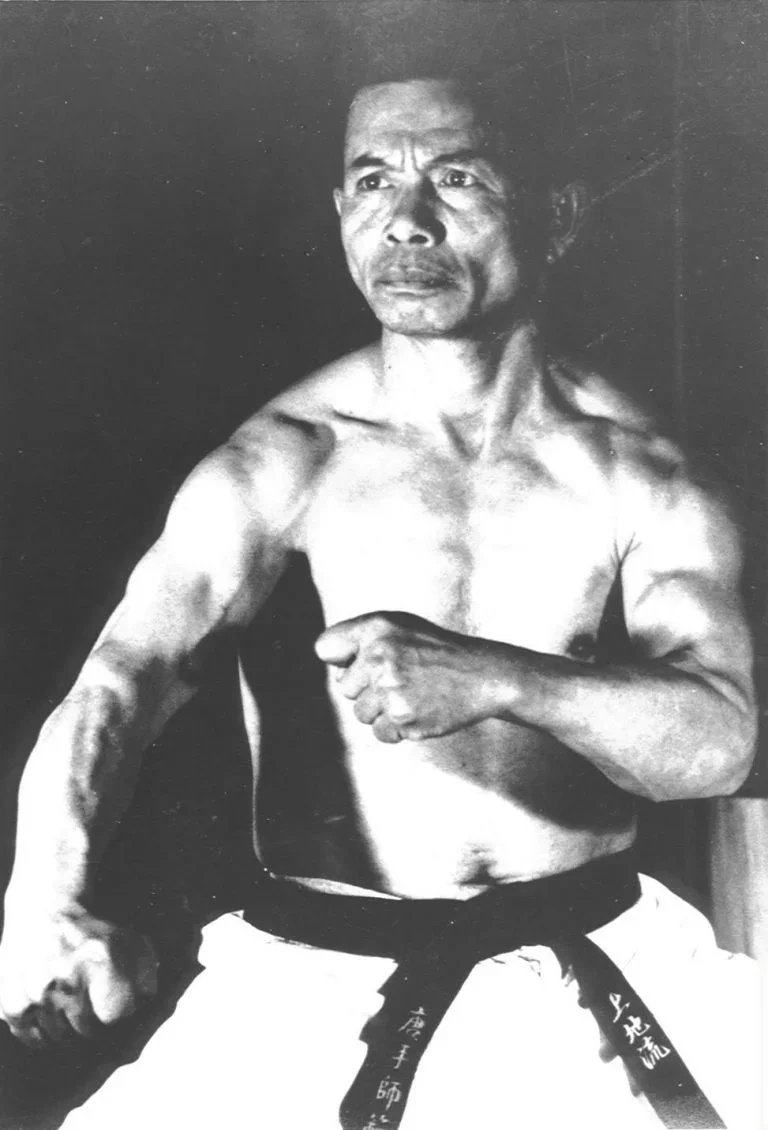
EMERGENCE
In 1924 Kanbun Uechi moved his family to Wakayama in mainland Japan to work as a security guard for a mill and seek better fortune, while maintaining his oath. When a coworker Ryuyu Tomoyose was beaten in a fight, Uechi made an offhand remark about a possible technique that piqued Tomoyose’s curiosity. He was convinced that Uechi was a skillful warrior, and wanted to learn more.
Tomoyose made up a series of encounters, asking Uechi each time how he should have handled the attacks. After a number of these he confronted Uechi and said he knew him to be a skilled martial artist, and asked him to teach him martial arts privately. Uechi refused, until in 1926 Tomoyose gathered a group of thirty men from the mill who all came together to ask Uechi to teach them, and offered him tuition that totalled 10 times his monthly wages. He at last relented and began teaching this group of his colleagues.
Kanbun Uechi taught for 6 years before opening his first school in Tebira, Wakayama in 1932, at age 55. He called this school the Pangai-noon Karate Academy. He taught many students there, including his son Kanei. In 1940, the senior students renamed the style Uechi-Ryu in honor of Kanbun Uechi.
After 10 years of training, Kanei Uechi travelled back to Okinawa and opened a dojo of his own in Nago in 1942. Kanbun Uechi continued teaching in Wakayama until 1946, when he moved back to Okinawa and left the Wakayama Dojo under the care of his first japanese student Ryuyu Tomoyose. He continued teaching and training at his son’s dojo in Nago until his death from liver disease on November 25, 1948. Just before his death he jumped out of bed and into sanchin stance, the only position where he felt no pain.
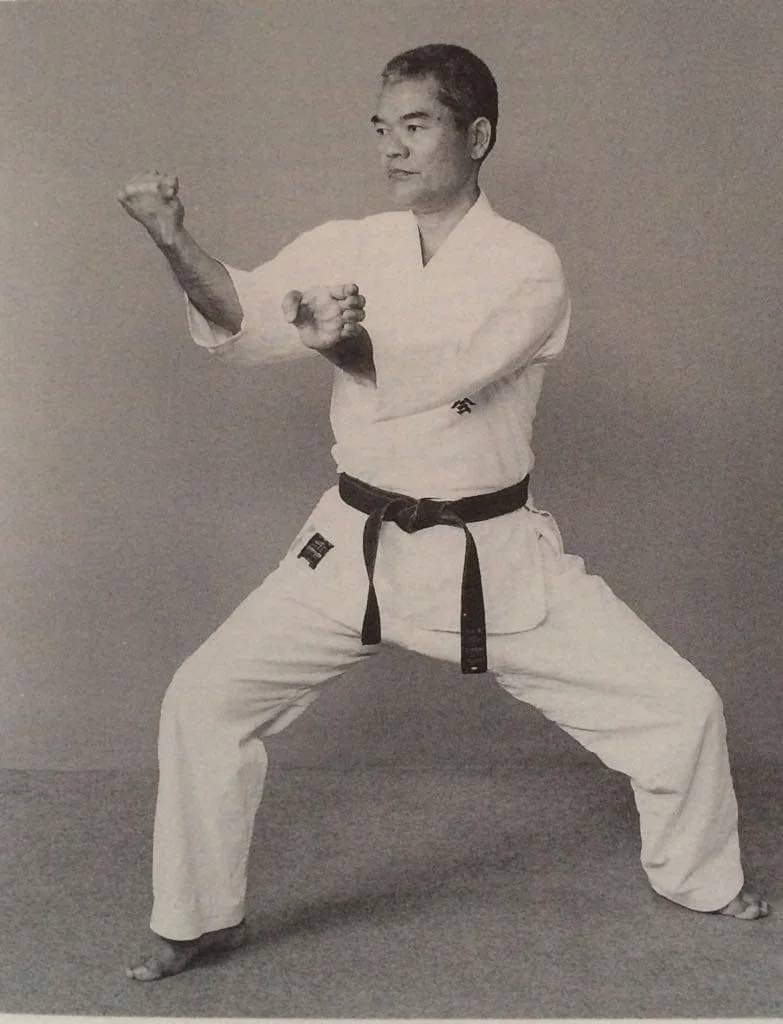
LEGACY
In 1949, Kanei Uechi’s students built him a new dojo in Futenma, Okinawa. He taught there for many years, and with the help of his father’s other senior students he expanded the style considerably. They codified the warm up exercises and basic techniques into the Junbi Undo and Hojo Undo we train today, as well as adding five new kata and prearranged sparring drills called yakosoku kumite. They also adopted the japanese custom of belt rankings.
In 1967 Kanei Uechi was awarded his judan, or 10th degree black belt, by both the Zen Nihon Karate-do Renmei (All Japan Karate Federation) and the Zen Okinawa Karate-do Renmei (All Okinawa Karate Federation), the highest rank of mastery achievable in either organization.
Kanei Uechi’s dojo in Futenma was one of the first dojos to allow foreign students to study, and as a result there was a great deal of expansion and proliferation of the style through the 50s and 60s. The first american to be awarded a black belt in Uechi Ryu was George Mattson, who opened a dojo upon his return to the united states and published a book The Way of Karate in 1962 which was responsible for a great deal of the expansion of the style in this country.
The early days of Uechi Ryu in the United States were governed by the North American Uechi Karate Association, or NAUKA. This board was comprised of five members - George Mattson, Walter Mattson (no relation), Frank Gorman, Charlie Earl, and John Conroy. Since then, the students of NAUKA have branched out into a number of associations.
At Tora Ryu Tsuru we are members of the North American Jiteki Jyuku Association, started under the leadership of Frank Gorman with the guidance of his teacher Ken Nakamatsu.